
Undercurrents
by W. Roberts
Turtleback Books: A Division of Sanval 2003
Great fit for 5th grade
Reading level and content both target 4th–8th grade · ages 9–14
Bookshop.org supports independent bookstores. As an Amazon Associate we earn from qualifying purchases. Retailer links may be affiliate links.
Genre
Themes
- family secrets
- trust and betrayal
- courage
- independence
- small-town life
- mystery and investigation
- resilience
About this book
In this suspenseful middle-grade mystery, a teen spends time in a coastal town where small-town calm hides dangerous secrets. Strange accidents and mixed messages make her question who she can trust, pushing her to dig into the past before trouble rises again. Fast pacing, cliffhangers, and a smart, determined heroine keep readers turning pages. Great for kids who enjoy realistic mysteries with a hint of danger but no gore.
Setting: a rainy Pacific Northwest coastal town
Readers also enjoyed
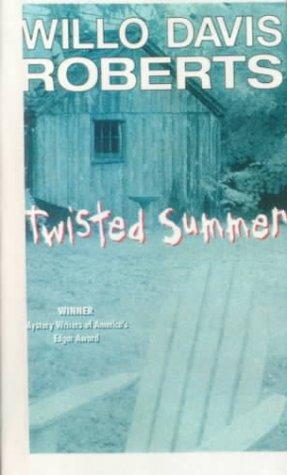
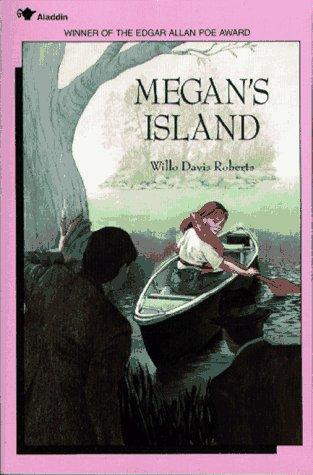
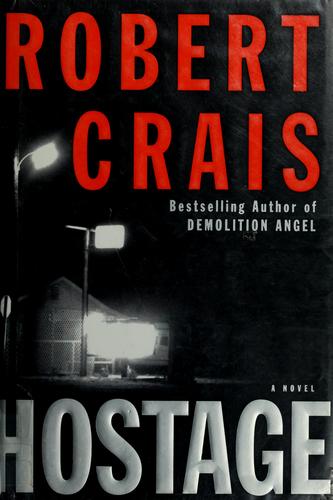
Frequently Asked Questions
Is Undercurrents right for my child?
Yes — Undercurrents is a great fit for 5th grade. The reading level is AR 5.1, which is typical for 5th grade. The interest level is rated Middle Grades (4–8), meaning the themes and content are designed for ages 9–14 (4th–8th grade). Themes include family secrets, trust and betrayal, courage.
How long does it take to read Undercurrents?
At a typical 5th grade reading pace, Undercurrents takes around 5.9h to finish. The book has 58,000 words. Slower or faster readers may vary significantly.
Does Undercurrents have an AR quiz?
Yes — Undercurrents has an AR quiz available, worth 8 points. Your child will need to take and pass the quiz through their school's Accelerated Reader program to earn credit. The quiz is typically 5–20 multiple choice questions about plot, characters, and setting.
What grade level is Undercurrents?
Undercurrents has an AR reading level of 5.1, which places it at a 5th grade reading difficulty. The interest level is rated Middle Grades (4–8) — this reflects the age-appropriateness of the content and themes, not just the reading difficulty. A strong younger reader may handle the words fine while the themes are aimed at an older audience, or vice versa.