
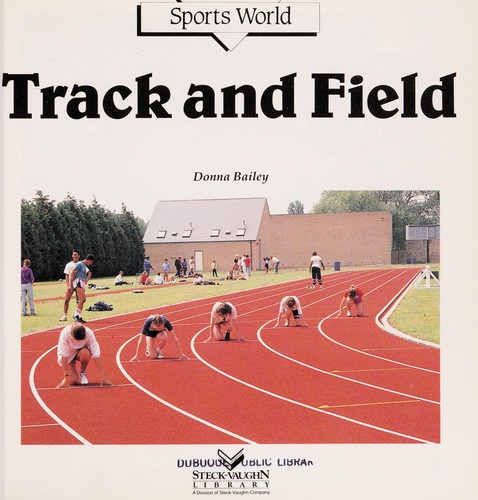
Track and field
by Donna Bailey
Steck-Vaughn Library 1991
Great fit for 4th grade
Reading level and content both target 4th–8th grade · ages 9–14
Bookshop.org supports independent bookstores. As an Amazon Associate we earn from qualifying purchases. Retailer links may be affiliate links.
Genre
Themes
- perseverance
- sportsmanship
- goal-setting
- competition
- healthy habits
- teamwork
- confidence
About this book
This short nonfiction book introduces the basics of track and field—sprints, distance races, relays, jumps, and throws—using clear text and photos. Young readers learn how events work, what equipment is used, and the skills athletes practice. It’s a friendly overview for kids curious about the sport or getting ready for a school track meet. Fans enjoy the easy explanations and action images that make each event come alive.
Setting: track meets and athletic stadiums, including school and Olympic venues
Readers also enjoyed
Frequently Asked Questions
Is Track and field right for my child?
Yes — Track and field is a great fit for 4th grade. The reading level is AR 4.6, which is typical for 4th grade. The interest level is rated Middle Grades (4–8), meaning the themes and content are designed for ages 9–14 (4th–8th grade). Themes include perseverance, sportsmanship, goal-setting.
How long does it take to read Track and field?
At a typical 4th grade reading pace, Track and field takes around 11m to finish. The book has 1,580 words. Slower or faster readers may vary significantly.
Does Track and field have an AR quiz?
Yes — Track and field has an AR quiz available, worth 0.5 points. Your child will need to take and pass the quiz through their school's Accelerated Reader program to earn credit. The quiz is typically 5–20 multiple choice questions about plot, characters, and setting.
What grade level is Track and field?
Track and field has an AR reading level of 4.6, which places it at a 4th grade reading difficulty. The interest level is rated Middle Grades (4–8) — this reflects the age-appropriateness of the content and themes, not just the reading difficulty. A strong younger reader may handle the words fine while the themes are aimed at an older audience, or vice versa.