
Snowboarding basics
by Jackson Jay
Capstone Press 1996
Great fit for 4th grade
Reading level and content both target 4th–8th grade · ages 9–14
Bookshop.org supports independent bookstores. As an Amazon Associate we earn from qualifying purchases. Retailer links may be affiliate links.
Genre
Themes
- perseverance
- learning new skills
- sportsmanship
- risk and safety
- confidence
- outdoor adventure
About this book
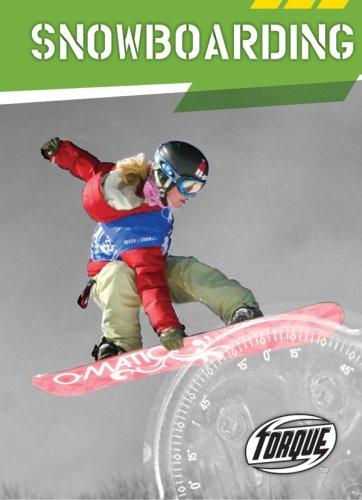
This introductory guide explains how snowboarding works—from choosing the right board and gear to basic stances, balance, and safe first turns. Clear text and captioned photos walk readers through fundamentals and trail etiquette. It’s written for kids who are curious about trying the sport or who enjoy reading about extreme winter activities. Young riders love the action shots and straightforward tips that build confidence.
Setting: modern-day ski resorts and mountain slopes
Readers also enjoyed
Frequently Asked Questions
Is Snowboarding basics right for my child?
Yes — Snowboarding basics is a great fit for 4th grade. The reading level is AR 4.6, which is typical for 4th grade. The interest level is rated Middle Grades (4–8), meaning the themes and content are designed for ages 9–14 (4th–8th grade). Themes include perseverance, learning new skills, sportsmanship.
How long does it take to read Snowboarding basics?
At a typical 4th grade reading pace, Snowboarding basics takes around 15m to finish. The book has 2,300 words. Slower or faster readers may vary significantly.
Does Snowboarding basics have an AR quiz?
Yes — Snowboarding basics has an AR quiz available, worth 0.5 points. Your child will need to take and pass the quiz through their school's Accelerated Reader program to earn credit. The quiz is typically 5–20 multiple choice questions about plot, characters, and setting.
What grade level is Snowboarding basics?
Snowboarding basics has an AR reading level of 4.6, which places it at a 4th grade reading difficulty. The interest level is rated Middle Grades (4–8) — this reflects the age-appropriateness of the content and themes, not just the reading difficulty. A strong younger reader may handle the words fine while the themes are aimed at an older audience, or vice versa.