
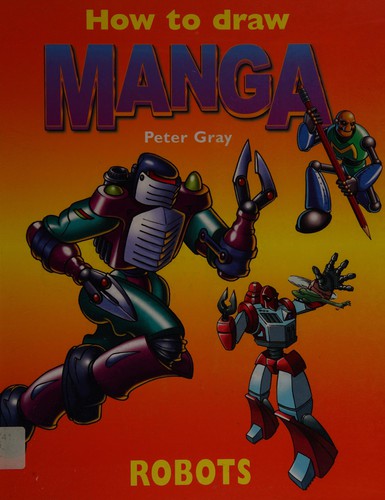
Robots
by Peter Gray
Franklin Watts Ltd 2005
Jack Dann and Gardner Dozois Ace anthology series
Great fit for 5th grade
Reading level and content both target 4th–8th grade · ages 9–14
Bookshop.org supports independent bookstores. As an Amazon Associate we earn from qualifying purchases. Retailer links may be affiliate links.
Genre
Themes
- technology and society
- innovation
- engineering
- problem-solving
- science and discovery
- future of work
- machines and automation
About this book
This short, photo-rich introduction explains what robots are, how they sense and move, and the jobs they do in factories, hospitals, homes, and even space. Clear captions and diagrams break down complex ideas into kid-friendly bites. It’s a great pick for curious readers who like technology and real-world examples. Fans of gadgets and science will enjoy seeing how today’s robots work and what the future might hold.
Setting: real-world robotics across labs, factories, homes, and space missions
Readers also enjoyed
Frequently Asked Questions
Is Robots right for my child?
Yes — Robots is a great fit for 5th grade. The reading level is AR 5.9, which is typical for 5th grade. The interest level is rated Middle Grades (4–8), meaning the themes and content are designed for ages 9–14 (4th–8th grade). Themes include technology and society, innovation, engineering.
How long does it take to read Robots?
At a typical 5th grade reading pace, Robots takes around 11m to finish. The book has 1,800 words. Slower or faster readers may vary significantly.
Does Robots have an AR quiz?
Yes — Robots has an AR quiz available, worth 0.5 points. Your child will need to take and pass the quiz through their school's Accelerated Reader program to earn credit. The quiz is typically 5–20 multiple choice questions about plot, characters, and setting.
What grade level is Robots?
Robots has an AR reading level of 5.9, which places it at a 5th grade reading difficulty. The interest level is rated Middle Grades (4–8) — this reflects the age-appropriateness of the content and themes, not just the reading difficulty. A strong younger reader may handle the words fine while the themes are aimed at an older audience, or vice versa.