
Racing cars
by Jeff Savage
Capstone Press 1996
Great fit for 3rd grade
Reading level and content both target K–3rd grade · ages 5–9
Bookshop.org supports independent bookstores. As an Amazon Associate we earn from qualifying purchases. Retailer links may be affiliate links.
Genre
Themes
- technology and engineering
- competition
- teamwork
- perseverance
- speed and power
- safety
- sportsmanship
About this book
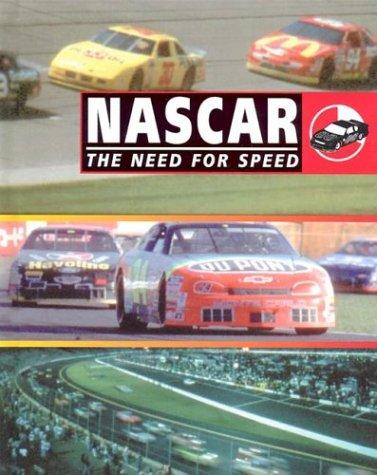
This photo-filled nonfiction book introduces young readers to the fast-paced world of race cars—how they’re built, how they go so fast, and what happens on and off the track. Kids learn about different types of races, from oval tracks to road courses, as well as the important jobs of pit crews and the safety gear that keeps drivers protected. Clear text and exciting images make complex ideas easy to understand. Perfect for car fans in the early grades who love facts, speed, and big machines.
Setting: modern auto racing tracks, garages, and pit lanes
Readers also enjoyed

Frequently Asked Questions
Is Racing cars right for my child?
Yes — Racing cars is a great fit for 3rd grade. The reading level is AR 3.7, which is typical for 3rd grade. The interest level is rated Lower Grades (K–3), meaning the themes and content are designed for ages 5–9 (K–3rd grade). Themes include technology and engineering, competition, teamwork.
How long does it take to read Racing cars?
At a typical 3rd grade reading pace, Racing cars takes around 13m to finish. The book has 1,700 words. Slower or faster readers may vary significantly.
Does Racing cars have an AR quiz?
Yes — Racing cars has an AR quiz available, worth 0.5 points. Your child will need to take and pass the quiz through their school's Accelerated Reader program to earn credit. The quiz is typically 5–20 multiple choice questions about plot, characters, and setting.
What grade level is Racing cars?
Racing cars has an AR reading level of 3.7, which places it at a 3rd grade reading difficulty. The interest level is rated Lower Grades (K–3) — this reflects the age-appropriateness of the content and themes, not just the reading difficulty. A strong younger reader may handle the words fine while the themes are aimed at an older audience, or vice versa.