
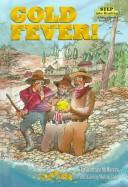
Gold fever!
by Catherine McMorrow
Random House 1996
Great fit for 3rd grade
Reading level and content both target K–3rd grade · ages 5–9
Themes include risk and reward
Bookshop.org supports independent bookstores. As an Amazon Associate we earn from qualifying purchases. Retailer links may be affiliate links.
Genre
Themes
- exploration
- perseverance
- dreams vs. reality
- migration and pioneers
- risk and reward
- frontier life
- resource rush
About this book
This easy-to-read history book introduces young readers to the excitement of the California Gold Rush. From the long journey west to panning in cold streams and life in crowded mining camps, kids see what hopeful prospectors faced—and why so few struck it rich. Clear text and lively illustrations make big history ideas friendly for new readers. Perfect for children curious about adventure, American history, and how a single discovery changed a nation.
Setting: California goldfields and western trails, late 1840s–1850s
Readers also enjoyed
Frequently Asked Questions
Is Gold fever! right for my child?
Yes — Gold fever! is a great fit for 3rd grade. The reading level is AR 3.2, which is typical for 3rd grade. The interest level is rated Lower Grades (K–3), meaning the themes and content are designed for ages 5–9 (K–3rd grade). Themes include exploration, perseverance, dreams vs. reality.
How long does it take to read Gold fever!?
At a typical 3rd grade reading pace, Gold fever! takes around 7m to finish. The book has 950 words. Slower or faster readers may vary significantly.
Does Gold fever! have an AR quiz?
Yes — Gold fever! has an AR quiz available, worth 0.5 points. Your child will need to take and pass the quiz through their school's Accelerated Reader program to earn credit. The quiz is typically 5–20 multiple choice questions about plot, characters, and setting.
What grade level is Gold fever!?
Gold fever! has an AR reading level of 3.2, which places it at a 3rd grade reading difficulty. The interest level is rated Lower Grades (K–3) — this reflects the age-appropriateness of the content and themes, not just the reading difficulty. A strong younger reader may handle the words fine while the themes are aimed at an older audience, or vice versa.