
Dalmatians
by Stuart A. Kallen
Distributed by Rockbottom Books 1996
Great fit for 3rd grade
Reading level and content both target K–3rd grade · ages 5–9
Bookshop.org supports independent bookstores. As an Amazon Associate we earn from qualifying purchases. Retailer links may be affiliate links.
Genre
Themes
- pets and pet care
- animal behavior
- responsibility
- working dogs
- facts and information
- companionship
About this book
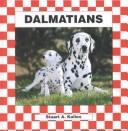
This short nonfiction book introduces the Dalmatian breed with clear text and full-color photos. Young readers learn what Dalmatians look like, how they behave, and the kind of care they need, with a nod to their history as coach and firehouse dogs. It’s written for early elementary students and new pet lovers, offering simple facts and vocabulary. Kids enjoy the striking spots, fun breed facts, and engaging pictures on every page.
Setting: informational text about the Dalmatian dog breed in homes and working settings
Readers also enjoyed

Frequently Asked Questions
Is Dalmatians right for my child?
Yes — Dalmatians is a great fit for 3rd grade. The reading level is AR 3.6, which is typical for 3rd grade. The interest level is rated Lower Grades (K–3), meaning the themes and content are designed for ages 5–9 (K–3rd grade). Themes include pets and pet care, animal behavior, responsibility.
How long does it take to read Dalmatians?
At a typical 3rd grade reading pace, Dalmatians takes around 6m to finish. The book has 800 words. Slower or faster readers may vary significantly.
Does Dalmatians have an AR quiz?
Yes — Dalmatians has an AR quiz available, worth 0.5 points. Your child will need to take and pass the quiz through their school's Accelerated Reader program to earn credit. The quiz is typically 5–20 multiple choice questions about plot, characters, and setting.
What grade level is Dalmatians?
Dalmatians has an AR reading level of 3.6, which places it at a 3rd grade reading difficulty. The interest level is rated Lower Grades (K–3) — this reflects the age-appropriateness of the content and themes, not just the reading difficulty. A strong younger reader may handle the words fine while the themes are aimed at an older audience, or vice versa.