
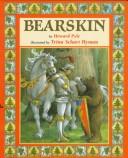
Bearskin
by Howard Pyle
Morrow Junior Books 1997
Great fit for 5th grade
Reading level and content both target 4th–8th grade · ages 9–14
Bookshop.org supports independent bookstores. As an Amazon Associate we earn from qualifying purchases. Retailer links may be affiliate links.
Genre
Themes
- courage
- temptation and consequences
- promise-keeping
- transformation
- perseverance
- good vs. evil
- charity and kindness
About this book
This classic Howard Pyle retelling brings the old-world folktale of a down-on-his-luck soldier who takes on a daunting challenge to secure his future. Set in a time of forests, castles, and wandering travelers, the story follows a hero whose courage and promise-keeping are tested in surprising ways. Rich, traditional language and dramatic scenes make it an engaging read-aloud for families and a satisfying independent read for strong readers who enjoy darker, atmospheric fairy tales.
Setting: old European villages, forests, and a royal court
Readers also enjoyed
Frequently Asked Questions
Is Bearskin right for my child?
Yes — Bearskin is a great fit for 5th grade. The reading level is AR 5.7, which is typical for 5th grade. The interest level is rated Middle Grades (4–8), meaning the themes and content are designed for ages 9–14 (4th–8th grade). Themes include courage, temptation and consequences, promise-keeping.
How long does it take to read Bearskin?
At a typical 5th grade reading pace, Bearskin takes around 17m to finish. The book has 2,800 words. Slower or faster readers may vary significantly.
Does Bearskin have an AR quiz?
Yes — Bearskin has an AR quiz available, worth 0.5 points. Your child will need to take and pass the quiz through their school's Accelerated Reader program to earn credit. The quiz is typically 5–20 multiple choice questions about plot, characters, and setting.
What grade level is Bearskin?
Bearskin has an AR reading level of 5.7, which places it at a 5th grade reading difficulty. The interest level is rated Middle Grades (4–8) — this reflects the age-appropriateness of the content and themes, not just the reading difficulty. A strong younger reader may handle the words fine while the themes are aimed at an older audience, or vice versa.