
Ants
by Elaine Pascoe
Blackbirch Press 1999
Great fit for 5th grade
Reading level and content both target 4th–8th grade · ages 9–14
Bookshop.org supports independent bookstores. As an Amazon Associate we earn from qualifying purchases. Retailer links may be affiliate links.
Genre
Themes
- animal behavior
- teamwork and cooperation
- survival and adaptation
- ecosystems and habitats
- life cycles
- communication in nature
- observation and scientific inquiry
About this book
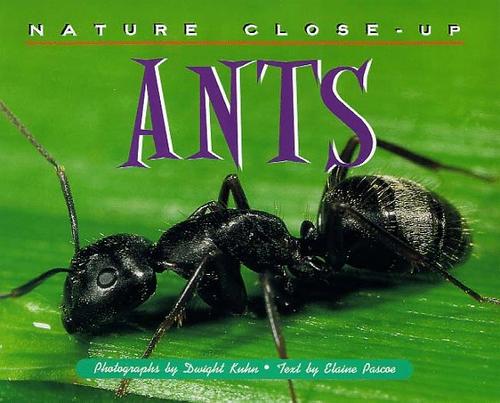
This photo-rich nonfiction book introduces readers to the busy world of ants—how colonies are organized, how ants communicate, and the clever ways they find food and defend their nests. Clear explanations and close-up images make complex science easy to understand. It’s a strong choice for curious elementary and middle-grade readers who like nature and animal behavior. Kids enjoy the fascinating facts, surprising super-strength of ants, and the peek inside life underground.
Setting: various habitats worldwide; inside an ant colony
Readers also enjoyed
Frequently Asked Questions
Is Ants right for my child?
Yes — Ants is a great fit for 5th grade. The reading level is AR 5.7, which is typical for 5th grade. The interest level is rated Middle Grades (4–8), meaning the themes and content are designed for ages 9–14 (4th–8th grade). Themes include animal behavior, teamwork and cooperation, survival and adaptation.
How long does it take to read Ants?
At a typical 5th grade reading pace, Ants takes around 29m to finish. The book has 4,800 words. Slower or faster readers may vary significantly.
Does Ants have an AR quiz?
Yes — Ants has an AR quiz available, worth 0.5 points. Your child will need to take and pass the quiz through their school's Accelerated Reader program to earn credit. The quiz is typically 5–20 multiple choice questions about plot, characters, and setting.
What grade level is Ants?
Ants has an AR reading level of 5.7, which places it at a 5th grade reading difficulty. The interest level is rated Middle Grades (4–8) — this reflects the age-appropriateness of the content and themes, not just the reading difficulty. A strong younger reader may handle the words fine while the themes are aimed at an older audience, or vice versa.