
Wingman on ice
Tandem Library 1964
Great fit for 4th grade
Reading level and content both target 4th–8th grade · ages 9–14
Bookshop.org supports independent bookstores. As an Amazon Associate we earn from qualifying purchases. Retailer links may be affiliate links.
Genre
Themes
- teamwork
- sportsmanship
- perseverance
- self-confidence
- leadership
- rivalry
- fair play
- friendship
About this book
When a young hockey player earns a spot as a wing, he must learn how to balance teamwork and personal ambition. On the ice he faces tough opponents and tougher decisions, including how to handle a talented but selfish teammate. With practices, games, and pressure mounting, he discovers that real success comes from trust, effort, and sportsmanship. A fast-paced sports story perfect for hockey fans and readers who enjoy realistic competition and growth.
Setting: small-town United States, youth hockey rinks and school during the winter season
Readers also enjoyed
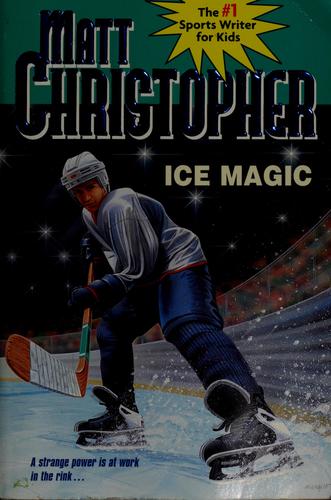
Frequently Asked Questions
Is Wingman on ice right for my child?
Yes — Wingman on ice is a great fit for 4th grade. The reading level is AR 4.3, which is typical for 4th grade. The interest level is rated Middle Grades (4–8), meaning the themes and content are designed for ages 9–14 (4th–8th grade). Themes include teamwork, sportsmanship, perseverance.
How long does it take to read Wingman on ice?
At a typical 4th grade reading pace, Wingman on ice takes around 3.2h to finish. The book has 29,000 words. Slower or faster readers may vary significantly.
Does Wingman on ice have an AR quiz?
Yes — Wingman on ice has an AR quiz available, worth 4 points. Your child will need to take and pass the quiz through their school's Accelerated Reader program to earn credit. The quiz is typically 5–20 multiple choice questions about plot, characters, and setting.
What grade level is Wingman on ice?
Wingman on ice has an AR reading level of 4.3, which places it at a 4th grade reading difficulty. The interest level is rated Middle Grades (4–8) — this reflects the age-appropriateness of the content and themes, not just the reading difficulty. A strong younger reader may handle the words fine while the themes are aimed at an older audience, or vice versa.