
The Bell Rang
by James E. Ransome
Simon and Schuster 2019
Great fit for 1st grade
Reading level and content both target K–3rd grade · ages 5–9
Bookshop.org supports independent bookstores. As an Amazon Associate we earn from qualifying purchases. Retailer links may be affiliate links.
Genre
Themes
- family
- slavery and freedom
- courage
- resilience
- hope
- community
- injustice
- perseverance
About this book
Told through spare, powerful text and evocative paintings, this picture book follows a young enslaved girl whose days are measured by the ringing of the plantation bell. One day, her brother is gone, and the family and community must carry on with heartbreak and hope. The story gently introduces the realities of slavery while centering love, resilience, and the longing for freedom. It’s ideal for shared reading and classroom discussions about history and empathy.
Setting: an antebellum Southern plantation in the United States
Readers also enjoyed
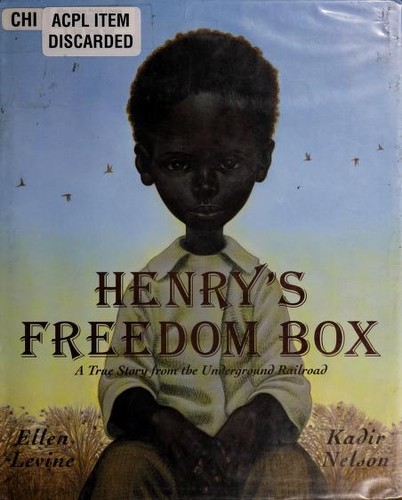
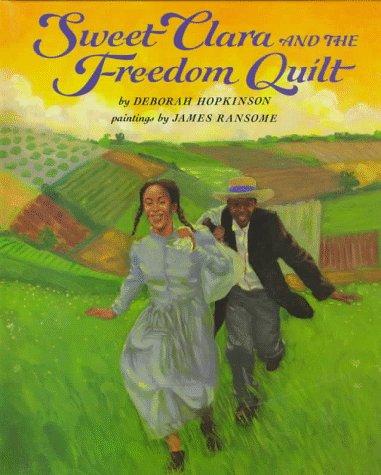
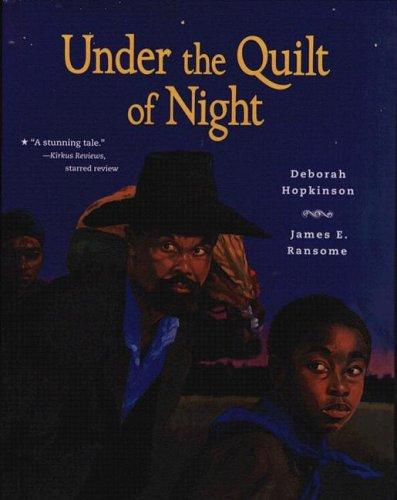
Frequently Asked Questions
Is The Bell Rang right for my child?
Yes — The Bell Rang is a great fit for 1st grade. The reading level is AR 1.8, which is typical for 1st grade. The interest level is rated Lower Grades (K–3), meaning the themes and content are designed for ages 5–9 (K–3rd grade). Themes include family, slavery and freedom, courage.
How long does it take to read The Bell Rang?
At a typical 1st grade reading pace, The Bell Rang takes around 5m to finish. The book has 400 words. Slower or faster readers may vary significantly.
Does The Bell Rang have an AR quiz?
Yes — The Bell Rang has an AR quiz available, worth 0.5 points. Your child will need to take and pass the quiz through their school's Accelerated Reader program to earn credit. The quiz is typically 5–20 multiple choice questions about plot, characters, and setting.
What grade level is The Bell Rang?
The Bell Rang has an AR reading level of 1.8, which places it at a 1st grade reading difficulty. The interest level is rated Lower Grades (K–3) — this reflects the age-appropriateness of the content and themes, not just the reading difficulty. A strong younger reader may handle the words fine while the themes are aimed at an older audience, or vice versa.