
Superfudge
by Judy Blume
2003
Easy read — content targets 4th–8th grade
Reading level 3.4 (3rd grade) but themes aimed at ages 9–14
Bookshop.org supports independent bookstores. As an Amazon Associate we earn from qualifying purchases. Retailer links may be affiliate links.
Genre
Themes
- sibling rivalry
- family dynamics
- growing up
- change and adaptation
- responsibility
- school life
- friendship
- humor
About this book
Peter Hatcher is back—trying to survive life with his wildly unpredictable little brother, Fudge, and a brand‑new baby in the house. When the family makes a big move and Peter faces new schools and friends, Fudge’s antics are never far behind. With quick humor and true-to-life family moments, this sequel captures the ups and downs of growing up with siblings. Perfect for readers who like realistic, funny stories about everyday life.
Setting: New York City and Princeton, New Jersey, contemporary (1980s)
Readers also enjoyed
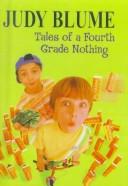
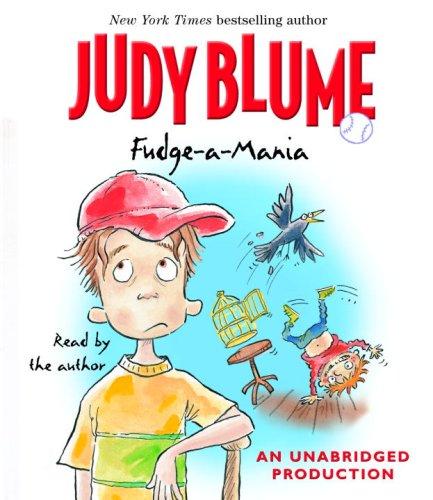
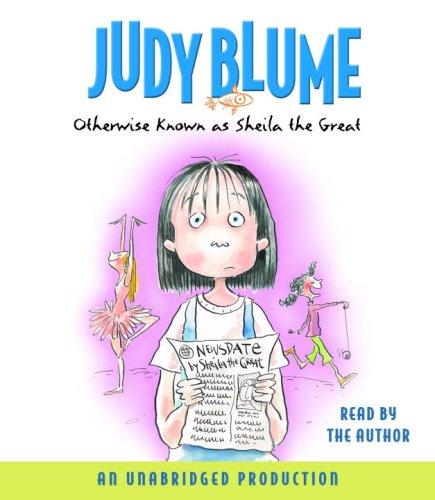
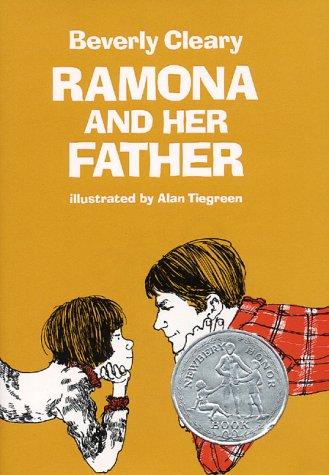
Frequently Asked Questions
Is Superfudge right for my child?
It depends — here's what to consider for Superfudge. The reading level is AR 3.4, which is typical for 3rd grade. The interest level is rated Middle Grades (4–8), meaning the themes and content are designed for ages 9–14 (4th–8th grade). Themes include sibling rivalry, family dynamics, growing up.
How long does it take to read Superfudge?
At a typical 3rd grade reading pace, Superfudge takes around 4.8h to finish. The book has 39,000 words. Slower or faster readers may vary significantly.
Does Superfudge have an AR quiz?
Yes — Superfudge has an AR quiz available, worth 4 points. Your child will need to take and pass the quiz through their school's Accelerated Reader program to earn credit. The quiz is typically 5–20 multiple choice questions about plot, characters, and setting.
What grade level is Superfudge?
Superfudge has an AR reading level of 3.4, which places it at a 3rd grade reading difficulty. The interest level is rated Middle Grades (4–8) — this reflects the age-appropriateness of the content and themes, not just the reading difficulty. A strong younger reader may handle the words fine while the themes are aimed at an older audience, or vice versa.