
Strider
HarperCollins e-books 1989
2
Great fit for 4th grade
Reading level and content both target 4th–8th grade · ages 9–14
Bookshop.org supports independent bookstores. As an Amazon Associate we earn from qualifying purchases. Retailer links may be affiliate links.
Genre
Themes
- friendship
- family and divorce
- responsibility
- identity and self-esteem
- growing up
- animal companionship
- sports and running
- empathy
About this book
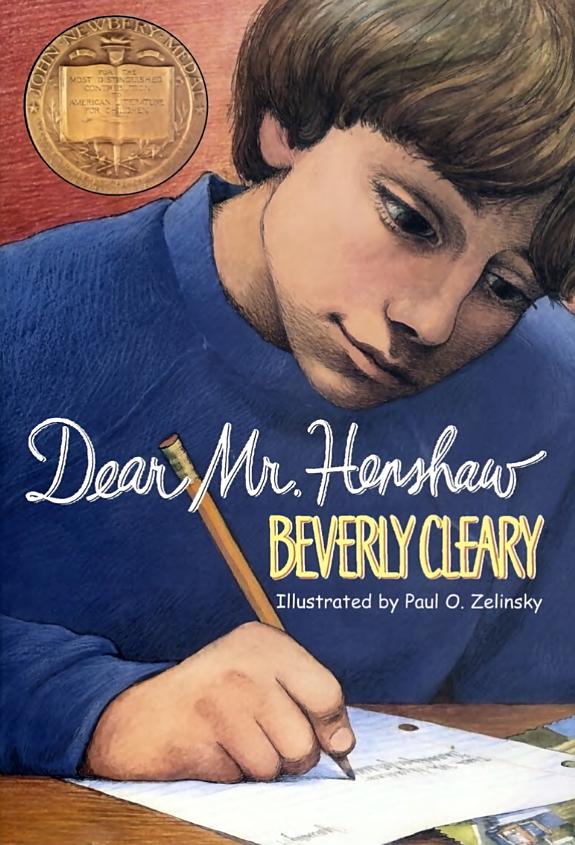
In this companion to Dear Mr. Henshaw, eighth-grader Leigh Botts and his best friend find a stray dog they name Strider. As Leigh navigates changing friendships, his parents’ divorce, and his love of running, caring for Strider helps him figure out who he wants to be. Warm, funny, and honest, this realistic story speaks to kids dealing with growing up and family changes. Fans of heartfelt, down-to-earth tales about boys, dogs, and new confidence will enjoy it.
Setting: coastal California, middle school years
Readers also enjoyed
Frequently Asked Questions
Is Strider right for my child?
Yes — Strider is a great fit for 4th grade. The reading level is AR 4.8, which is typical for 4th grade. The interest level is rated Middle Grades (4–8), meaning the themes and content are designed for ages 9–14 (4th–8th grade). Themes include friendship, family and divorce, responsibility.
How long does it take to read Strider?
At a typical 4th grade reading pace, Strider takes around 3.3h to finish. The book has 30,000 words. Slower or faster readers may vary significantly.
Does Strider have an AR quiz?
Yes — Strider has an AR quiz available, worth 4 points. Your child will need to take and pass the quiz through their school's Accelerated Reader program to earn credit. The quiz is typically 5–20 multiple choice questions about plot, characters, and setting.
What grade level is Strider?
Strider has an AR reading level of 4.8, which places it at a 4th grade reading difficulty. The interest level is rated Middle Grades (4–8) — this reflects the age-appropriateness of the content and themes, not just the reading difficulty. A strong younger reader may handle the words fine while the themes are aimed at an older audience, or vice versa.