
Sky the Blue Fairy
by Daisy Meadows
Pocket Jeunesse 2016
Challenging read for K–3rd grade
Reading level 4 (4th grade) is above the ages 5–9 interest range
Bookshop.org supports independent bookstores. As an Amazon Associate we earn from qualifying purchases. Retailer links may be affiliate links.
Genre
Themes
- friendship
- teamwork
- courage
- problem-solving
- kindness
- perseverance
- magic
- adventure
About this book
Kirsty and Rachel team up with Sky the Blue Fairy to outsmart Jack Frost’s goblins and bring the color blue back to Fairyland. This early chapter book blends everyday adventures with light, sparkly magic that’s perfect for newly independent readers. Short chapters, friendly characters, and a gentle mystery keep kids turning pages. Fans of fairies and friendship stories will enjoy the upbeat tone and satisfying, low-stress stakes.
Setting: a contemporary seaside town and Fairyland
Readers also enjoyed
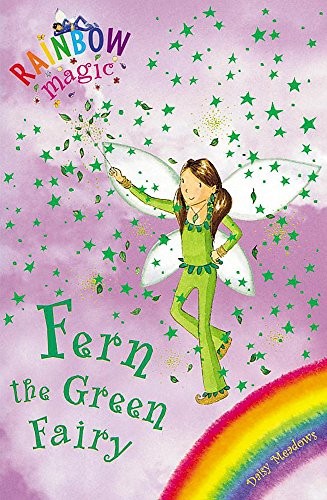
Frequently Asked Questions
Is Sky the Blue Fairy right for my child?
It depends — here's what to consider for Sky the Blue Fairy. The reading level is AR 4, which is typical for 4th grade. The interest level is rated Lower Grades (K–3), meaning the themes and content are designed for ages 5–9 (K–3rd grade). Themes include friendship, teamwork, courage.
How long does it take to read Sky the Blue Fairy?
At a typical 4th grade reading pace, Sky the Blue Fairy takes around 53m to finish. The book has 8,000 words. Slower or faster readers may vary significantly.
Does Sky the Blue Fairy have an AR quiz?
Yes — Sky the Blue Fairy has an AR quiz available, worth 1 point. Your child will need to take and pass the quiz through their school's Accelerated Reader program to earn credit. The quiz is typically 5–20 multiple choice questions about plot, characters, and setting.
What grade level is Sky the Blue Fairy?
Sky the Blue Fairy has an AR reading level of 4, which places it at a 4th grade reading difficulty. The interest level is rated Lower Grades (K–3) — this reflects the age-appropriateness of the content and themes, not just the reading difficulty. A strong younger reader may handle the words fine while the themes are aimed at an older audience, or vice versa.