
Quake!
Scholastic Trade 1995
Great fit for 4th grade
Reading level and content both target 4th–8th grade · ages 9–14
Bookshop.org supports independent bookstores. As an Amazon Associate we earn from qualifying purchases. Retailer links may be affiliate links.
Genre
Themes
- survival
- family
- courage
- community and cooperation
- responsibility
- resilience
- disaster preparedness
- leadership
About this book
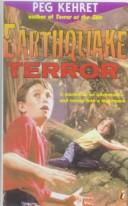
When a powerful earthquake rocks Northern California, a resourceful kid and friends must navigate shattered streets, aftershocks, and frayed nerves to find safety and reunite with family. The story focuses on quick thinking, teamwork, and helping neighbors when adults aren’t always available. Fast-paced chapters and true-to-life details keep readers turning pages. Great for middle-grade readers who enjoy survival adventures grounded in real-world events.
Setting: Northern California (San Francisco Bay Area), late 20th century, during and after a major earthquake
Readers also enjoyed
Frequently Asked Questions
Is Quake! right for my child?
Yes — Quake! is a great fit for 4th grade. The reading level is AR 4.6, which is typical for 4th grade. The interest level is rated Middle Grades (4–8), meaning the themes and content are designed for ages 9–14 (4th–8th grade). Themes include survival, family, courage.
How long does it take to read Quake!?
At a typical 4th grade reading pace, Quake! takes around 3.9h to finish. The book has 35,000 words. Slower or faster readers may vary significantly.
Does Quake! have an AR quiz?
Yes — Quake! has an AR quiz available, worth 5 points. Your child will need to take and pass the quiz through their school's Accelerated Reader program to earn credit. The quiz is typically 5–20 multiple choice questions about plot, characters, and setting.
What grade level is Quake!?
Quake! has an AR reading level of 4.6, which places it at a 4th grade reading difficulty. The interest level is rated Middle Grades (4–8) — this reflects the age-appropriateness of the content and themes, not just the reading difficulty. A strong younger reader may handle the words fine while the themes are aimed at an older audience, or vice versa.