
Our first pony
Aladdin Paperbacks 1984
Great fit for 3rd grade
Reading level and content both target K–3rd grade · ages 5–9
Bookshop.org supports independent bookstores. As an Amazon Associate we earn from qualifying purchases. Retailer links may be affiliate links.
Genre
Themes
- responsibility
- patience
- family teamwork
- animal care
- perseverance
- trust
- independence
- learning from mistakes
About this book
In this gentle, easy-reading horse story, two children finally get the pony they’ve been dreaming about and learn what it really takes to care for him. With warm, practical details, the book shows everyday tasks like grooming, feeding, and simple riding lessons. Marguerite Henry’s classic storytelling makes the responsibilities feel exciting and achievable. Perfect for young animal lovers, it celebrates patience, teamwork, and the bond between kids and their first pony.
Setting: a small farm in rural America, mid-20th century
Readers also enjoyed
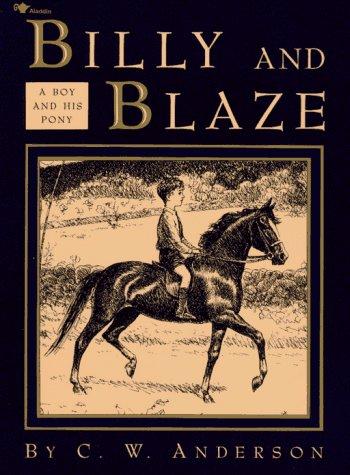
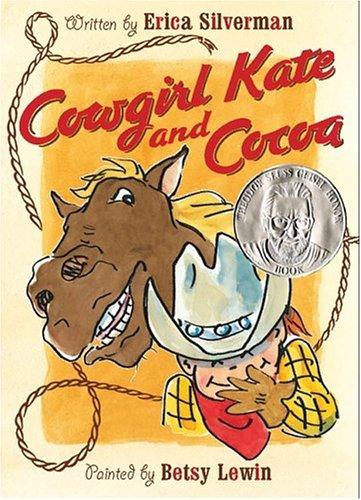
Frequently Asked Questions
Is Our first pony right for my child?
Yes — Our first pony is a great fit for 3rd grade. The reading level is AR 3.8, which is typical for 3rd grade. The interest level is rated Lower Grades (K–3), meaning the themes and content are designed for ages 5–9 (K–3rd grade). Themes include responsibility, patience, family teamwork.
How long does it take to read Our first pony?
At a typical 3rd grade reading pace, Our first pony takes around 53m to finish. The book has 7,200 words. Slower or faster readers may vary significantly.
Does Our first pony have an AR quiz?
Yes — Our first pony has an AR quiz available, worth 1 point. Your child will need to take and pass the quiz through their school's Accelerated Reader program to earn credit. The quiz is typically 5–20 multiple choice questions about plot, characters, and setting.
What grade level is Our first pony?
Our first pony has an AR reading level of 3.8, which places it at a 3rd grade reading difficulty. The interest level is rated Lower Grades (K–3) — this reflects the age-appropriateness of the content and themes, not just the reading difficulty. A strong younger reader may handle the words fine while the themes are aimed at an older audience, or vice versa.