
My dog is lost!
Scholastic Book Services 1960
Great fit for 2nd grade
Reading level and content both target K–3rd grade · ages 5–9
Bookshop.org supports independent bookstores. As an Amazon Associate we earn from qualifying purchases. Retailer links may be affiliate links.
Genre
Themes
- lost pet
- community
- multiculturalism
- friendship
- language and communication
- kindness
- perseverance
- belonging
About this book
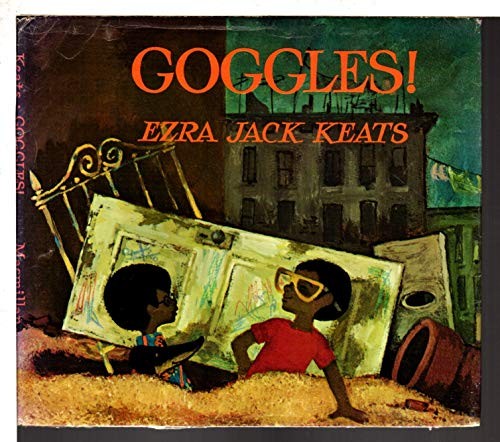
A newly arrived boy in New York City loses his dog and sets out to find him, meeting children from many neighborhoods along the way. Simple, lively text and bold artwork celebrate the city’s diversity as kids help one another despite language barriers. Young readers enjoy the clear, hopeful search-and-find storyline and the welcoming sense of community. It’s a warm introduction to urban life, empathy, and problem-solving for early readers.
Setting: New York City neighborhoods, mid-20th century
Readers also enjoyed
Frequently Asked Questions
Is My dog is lost! right for my child?
Yes — My dog is lost! is a great fit for 2nd grade. The reading level is AR 2.6, which is typical for 2nd grade. The interest level is rated Lower Grades (K–3), meaning the themes and content are designed for ages 5–9 (K–3rd grade). Themes include lost pet, community, multiculturalism.
How long does it take to read My dog is lost!?
At a typical 2nd grade reading pace, My dog is lost! takes around 6m to finish. The book has 700 words. Slower or faster readers may vary significantly.
Does My dog is lost! have an AR quiz?
Yes — My dog is lost! has an AR quiz available, worth 0.5 points. Your child will need to take and pass the quiz through their school's Accelerated Reader program to earn credit. The quiz is typically 5–20 multiple choice questions about plot, characters, and setting.
What grade level is My dog is lost!?
My dog is lost! has an AR reading level of 2.6, which places it at a 2nd grade reading difficulty. The interest level is rated Lower Grades (K–3) — this reflects the age-appropriateness of the content and themes, not just the reading difficulty. A strong younger reader may handle the words fine while the themes are aimed at an older audience, or vice versa.