
It's a Little Book
by Lane Smith
Roaring Brook Press 2011
Great fit for Kindergarten
Reading level and content both target K–3rd grade · ages 5–9
Bookshop.org supports independent bookstores. As an Amazon Associate we earn from qualifying purchases. Retailer links may be affiliate links.
Genre
Themes
- love of reading
- curiosity
- humor
- imagination
- learning and discovery
- parent–child bonding
About this book
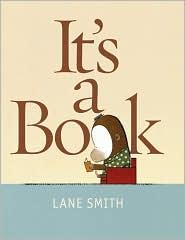
A diapered youngster explores all the funny, wrong ways to use a book—chewing it, wearing it, even stacking it—before discovering what books are really for. With Lane Smith’s bold, witty art and very spare text, this board book speaks directly to toddlers and preschoolers. It’s perfect for lap reading and for introducing little ones to the joy and purpose of books. Families love its humor, gentle repetition, and playful call-and-response style.
Setting: a cozy, everyday home/nursery with simple, playful scenes
Readers also enjoyed
Frequently Asked Questions
Is It's a Little Book right for my child?
Yes — It's a Little Book is a great fit for Kindergarten. The reading level is AR 0.7, which is typical for Kindergarten. The interest level is rated Lower Grades (K–3), meaning the themes and content are designed for ages 5–9 (K–3rd grade). Themes include love of reading, curiosity, humor.
How long does it take to read It's a Little Book?
At a typical Kindergarten reading pace, It's a Little Book takes around 2m to finish. The book has 80 words. Slower or faster readers may vary significantly.
Does It's a Little Book have an AR quiz?
Yes — It's a Little Book has an AR quiz available, worth 0.5 points. Your child will need to take and pass the quiz through their school's Accelerated Reader program to earn credit. The quiz is typically 5–20 multiple choice questions about plot, characters, and setting.
What grade level is It's a Little Book?
It's a Little Book has an AR reading level of 0.7, which places it at a Kindergarten reading difficulty. The interest level is rated Lower Grades (K–3) — this reflects the age-appropriateness of the content and themes, not just the reading difficulty. A strong younger reader may handle the words fine while the themes are aimed at an older audience, or vice versa.