
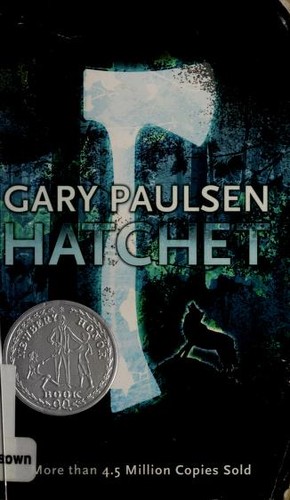
Hatchet
The Truth
by Gary Paulsen
Macmillan Children's Books 2001
Easy read — content targets 6th grade and up
Reading level 5.7 (5th grade) but themes aimed at ages 11+
Bookshop.org supports independent bookstores. As an Amazon Associate we earn from qualifying purchases. Retailer links may be affiliate links.
Genre
Themes
- survival
- courage
- resilience
- respect for nature
- self-reliance
- man vs. nature
- outdoor adventure
About this book
Gary Paulsen shares the real-life wilderness experiences that inspired Hatchet and the Brian books. From close calls with wildlife to hard-earned lessons about survival, these short, gripping chapters pull readers behind the scenes of his stories. It’s a fast, true-life read for adventure fans who want to know how much of Brian’s world really happened. Ideal for middle schoolers who like survival, the outdoors, and high-stakes, real-world challenges.
Setting: North American wilderness (Minnesota and the Canadian bush), late 20th century
Readers also enjoyed

Frequently Asked Questions
Is Hatchet right for my child?
It depends — here's what to consider for Hatchet. The reading level is AR 5.7, which is typical for 5th grade. The interest level is rated Middle Grades Plus (6+), meaning the themes and content are designed for ages 11+ (6th grade and up). Themes include survival, courage, resilience.
How long does it take to read Hatchet?
At a typical 5th grade reading pace, Hatchet takes around 2.5h to finish. The book has 25,000 words. Slower or faster readers may vary significantly.
Does Hatchet have an AR quiz?
Yes — Hatchet has an AR quiz available, worth 3 points. Your child will need to take and pass the quiz through their school's Accelerated Reader program to earn credit. The quiz is typically 5–20 multiple choice questions about plot, characters, and setting.
What grade level is Hatchet?
Hatchet has an AR reading level of 5.7, which places it at a 5th grade reading difficulty. The interest level is rated Middle Grades Plus (6+) — this reflects the age-appropriateness of the content and themes, not just the reading difficulty. A strong younger reader may handle the words fine while the themes are aimed at an older audience, or vice versa.