
Grandma Chickenlegs
Picture Corgi 2000
Challenging read for K–3rd grade
Reading level 4 (4th grade) is above the ages 5–9 interest range
Bookshop.org supports independent bookstores. As an Amazon Associate we earn from qualifying purchases. Retailer links may be affiliate links.
Genre
Themes
- bravery
- cleverness
- good vs. evil
- kindness
- family and stepparents
- magic
- perseverance
- folklore
About this book
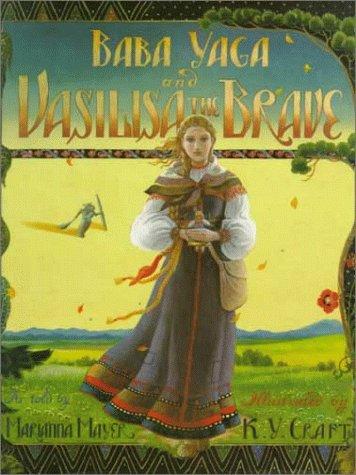
This lively retelling of the Russian Baba Yaga tale follows a brave girl who must face the fearsome Grandma Chickenlegs and her house that stands on chicken feet. Rich, rhythmic language and striking illustrations create a spooky-but-fun atmosphere perfect for read-alouds. Young readers cheer for the heroine’s courage and cleverness as she finds help in unexpected places. A great pick for kids who enjoy fairy tales with a shiver and a smile.
Setting: a Russian forest and a witch’s hut on chicken legs
Readers also enjoyed
Frequently Asked Questions
Is Grandma Chickenlegs right for my child?
It depends — here's what to consider for Grandma Chickenlegs. The reading level is AR 4, which is typical for 4th grade. The interest level is rated Lower Grades (K–3), meaning the themes and content are designed for ages 5–9 (K–3rd grade). Themes include bravery, cleverness, good vs. evil.
How long does it take to read Grandma Chickenlegs?
At a typical 4th grade reading pace, Grandma Chickenlegs takes around 8m to finish. The book has 1,200 words. Slower or faster readers may vary significantly.
Does Grandma Chickenlegs have an AR quiz?
Yes — Grandma Chickenlegs has an AR quiz available, worth 0.5 points. Your child will need to take and pass the quiz through their school's Accelerated Reader program to earn credit. The quiz is typically 5–20 multiple choice questions about plot, characters, and setting.
What grade level is Grandma Chickenlegs?
Grandma Chickenlegs has an AR reading level of 4, which places it at a 4th grade reading difficulty. The interest level is rated Lower Grades (K–3) — this reflects the age-appropriateness of the content and themes, not just the reading difficulty. A strong younger reader may handle the words fine while the themes are aimed at an older audience, or vice versa.