
Fly Guy meets Fly Girl
by Tedd Arnold
Cartwheel Books 2010
Great fit for 1st grade
Reading level and content both target K–3rd grade · ages 5–9
Bookshop.org supports independent bookstores. As an Amazon Associate we earn from qualifying purchases. Retailer links may be affiliate links.
Genre
Themes
- friendship
- acceptance
- jealousy and sharing
- identity
- humor
- pets and companions
About this book
Buzz’s pet fly, Fly Guy, meets Fly Girl—and sparks fly! The two super-smart insects hit it off, while Buzz and Fly Girl’s kid partner learn what it means to share a friend. With quick chapters, bold cartoons, and lots of silly wordplay, this early reader invites new readers to laugh and keep turning pages. Perfect for kids who like humorous stories and easy-to-read adventures.
Setting: contemporary neighborhood and schoolyard
Readers also enjoyed

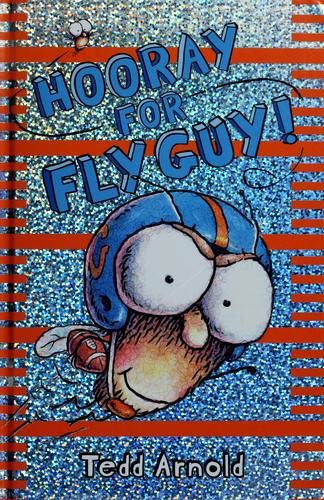
Frequently Asked Questions
Is Fly Guy meets Fly Girl right for my child?
Yes — Fly Guy meets Fly Girl is a great fit for 1st grade. The reading level is AR 1.7, which is typical for 1st grade. The interest level is rated Lower Grades (K–3), meaning the themes and content are designed for ages 5–9 (K–3rd grade). Themes include friendship, acceptance, jealousy and sharing.
How long does it take to read Fly Guy meets Fly Girl?
At a typical 1st grade reading pace, Fly Guy meets Fly Girl takes around 7m to finish. The book has 520 words. Slower or faster readers may vary significantly.
Does Fly Guy meets Fly Girl have an AR quiz?
Yes — Fly Guy meets Fly Girl has an AR quiz available, worth 0.5 points. Your child will need to take and pass the quiz through their school's Accelerated Reader program to earn credit. The quiz is typically 5–20 multiple choice questions about plot, characters, and setting.
What grade level is Fly Guy meets Fly Girl?
Fly Guy meets Fly Girl has an AR reading level of 1.7, which places it at a 1st grade reading difficulty. The interest level is rated Lower Grades (K–3) — this reflects the age-appropriateness of the content and themes, not just the reading difficulty. A strong younger reader may handle the words fine while the themes are aimed at an older audience, or vice versa.