
Everywhere
by Bruce Brooks
Harper & Row 1990
Easy read — content targets 6th grade and up
Reading level 5.6 (5th grade) but themes aimed at ages 11+
Bookshop.org supports independent bookstores. As an Amazon Associate we earn from qualifying purchases. Retailer links may be affiliate links.
Genre
Themes
- grief and loss
- healing
- memory
- family
- identity
- resilience
- hope
- introspection
About this book
In this brief, lyrical novel, a thoughtful teen wrestles with a sudden loss that has left his world feeling unfamiliar. As he moves through ordinary days, he begins to notice memories and meanings surfacing everywhere—on streets, in classrooms, and in quiet moments alone. Bruce Brooks’s intimate voice invites readers to sit with big feelings and discover how connection and hope can return in small, surprising ways. A strong choice for middle schoolers ready for a short, emotionally rich read.
Setting: contemporary American town, late 1980s
Readers also enjoyed
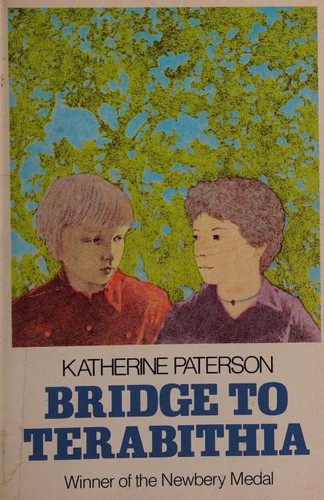
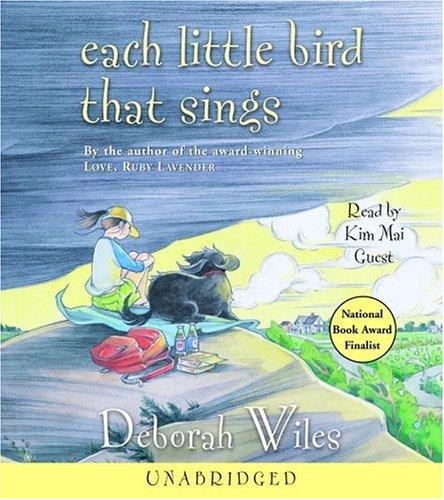
Frequently Asked Questions
Is Everywhere right for my child?
It depends — here's what to consider for Everywhere. The reading level is AR 5.6, which is typical for 5th grade. The interest level is rated Middle Grades Plus (6+), meaning the themes and content are designed for ages 11+ (6th grade and up). Themes include grief and loss, healing, memory.
How long does it take to read Everywhere?
At a typical 5th grade reading pace, Everywhere takes around 1.6h to finish. The book has 16,000 words. Slower or faster readers may vary significantly.
Does Everywhere have an AR quiz?
Yes — Everywhere has an AR quiz available, worth 2 points. Your child will need to take and pass the quiz through their school's Accelerated Reader program to earn credit. The quiz is typically 5–20 multiple choice questions about plot, characters, and setting.
What grade level is Everywhere?
Everywhere has an AR reading level of 5.6, which places it at a 5th grade reading difficulty. The interest level is rated Middle Grades Plus (6+) — this reflects the age-appropriateness of the content and themes, not just the reading difficulty. A strong younger reader may handle the words fine while the themes are aimed at an older audience, or vice versa.