
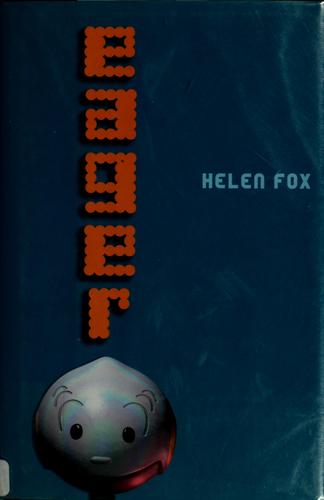
Eager's nephew
by Helen Fox
Yearling 2004
Great fit for 5th grade
Reading level and content both target 4th–8th grade · ages 9–14
Bookshop.org supports independent bookstores. As an Amazon Associate we earn from qualifying purchases. Retailer links may be affiliate links.
Genre
Themes
- artificial intelligence
- friendship
- family
- identity
- ethics of technology
- freedom and control
- courage
- corporate power
About this book
In a near-future city where robots help with everyday life, Eager—a curious, learning robot—meets his even newer, more advanced "nephew." When strange events point to a powerful tech company’s plans going wrong, Eager and his human friends are pulled into a fast-paced mystery. The story blends humor, heart, and big ideas about what makes someone alive and free. Ideal for middle-grade readers who enjoy adventurous science fiction with thoughtful questions about technology and family.
Setting: near-future London
Readers also enjoyed
Frequently Asked Questions
Is Eager's nephew right for my child?
Yes — Eager's nephew is a great fit for 5th grade. The reading level is AR 5.6, which is typical for 5th grade. The interest level is rated Middle Grades (4–8), meaning the themes and content are designed for ages 9–14 (4th–8th grade). Themes include artificial intelligence, friendship, family.
How long does it take to read Eager's nephew?
At a typical 5th grade reading pace, Eager's nephew takes around 7.7h to finish. The book has 76,000 words. Slower or faster readers may vary significantly.
Does Eager's nephew have an AR quiz?
Yes — Eager's nephew has an AR quiz available, worth 11 points. Your child will need to take and pass the quiz through their school's Accelerated Reader program to earn credit. The quiz is typically 5–20 multiple choice questions about plot, characters, and setting.
What grade level is Eager's nephew?
Eager's nephew has an AR reading level of 5.6, which places it at a 5th grade reading difficulty. The interest level is rated Middle Grades (4–8) — this reflects the age-appropriateness of the content and themes, not just the reading difficulty. A strong younger reader may handle the words fine while the themes are aimed at an older audience, or vice versa.