
Big Red
Bound to Stay Bound Books 2018
Great fit for 5th grade
Reading level and content both target 4th–8th grade · ages 9–14
Bookshop.org supports independent bookstores. As an Amazon Associate we earn from qualifying purchases. Retailer links may be affiliate links.
Genre
Themes
- human–animal bond
- courage
- perseverance
- class differences
- respect for nature
- responsibility
- identity and purpose
- loyalty
About this book
In this classic outdoor adventure, a mountain boy named Danny bonds with Big Red, a champion Irish setter owned by a wealthy sportsman. Danny dreams of proving Red as a true working dog in the rugged wilderness rather than just a show ring star. Their partnership is tested by harsh weather, wild country, and tough choices about loyalty and responsibility. Perfect for animal lovers and fans of wilderness stories, it blends heart, action, and the unbreakable bond between a boy and his dog.
Setting: remote mountain forests of the American Northeast, mid-20th century
Readers also enjoyed
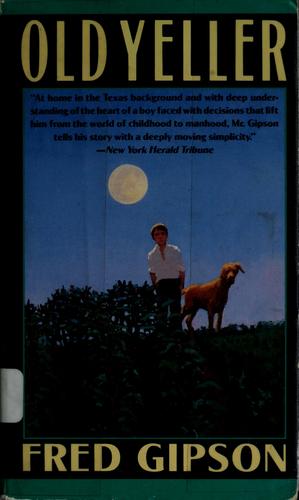
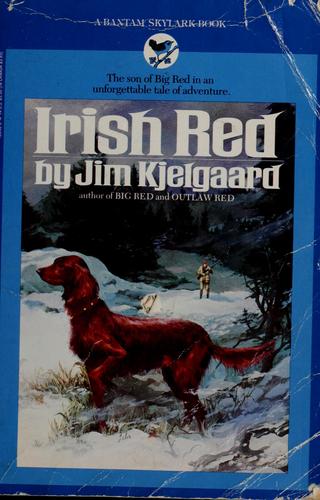
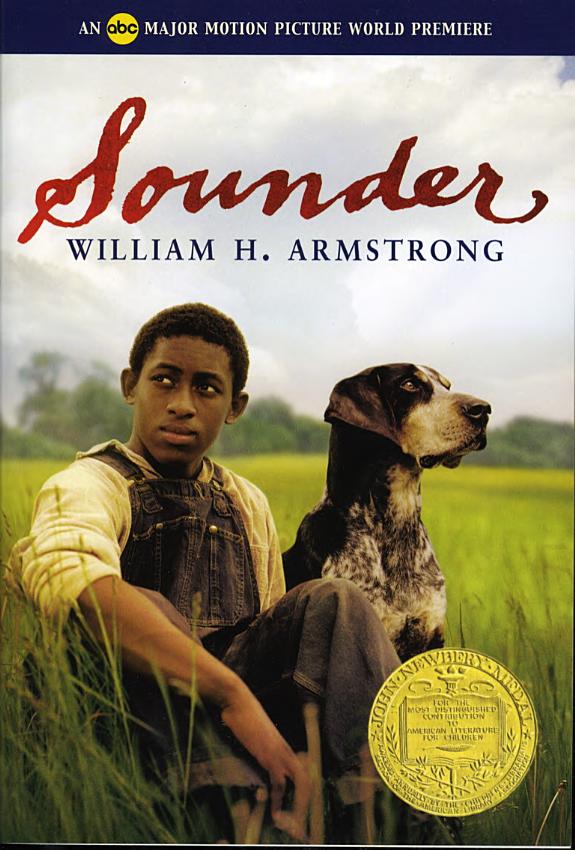
Frequently Asked Questions
Is Big Red right for my child?
Yes — Big Red is a great fit for 5th grade. The reading level is AR 5.8, which is typical for 5th grade. The interest level is rated Middle Grades (4–8), meaning the themes and content are designed for ages 9–14 (4th–8th grade). Themes include human–animal bond, courage, perseverance.
How long does it take to read Big Red?
At a typical 5th grade reading pace, Big Red takes around 6.9h to finish. The book has 68,000 words. Slower or faster readers may vary significantly.
Does Big Red have an AR quiz?
Yes — Big Red has an AR quiz available, worth 9 points. Your child will need to take and pass the quiz through their school's Accelerated Reader program to earn credit. The quiz is typically 5–20 multiple choice questions about plot, characters, and setting.
What grade level is Big Red?
Big Red has an AR reading level of 5.8, which places it at a 5th grade reading difficulty. The interest level is rated Middle Grades (4–8) — this reflects the age-appropriateness of the content and themes, not just the reading difficulty. A strong younger reader may handle the words fine while the themes are aimed at an older audience, or vice versa.