
Big Mama
by Tony Crunk
Turtleback Books Distributed by Demco Media 2000
Great fit for 3rd grade
Reading level and content both target K–3rd grade · ages 5–9
Bookshop.org supports independent bookstores. As an Amazon Associate we earn from qualifying purchases. Retailer links may be affiliate links.
Genre
Themes
- family bonds
- traditions
- rural life
- summer
- intergenerational relationships
- home and belonging
- nostalgia
About this book
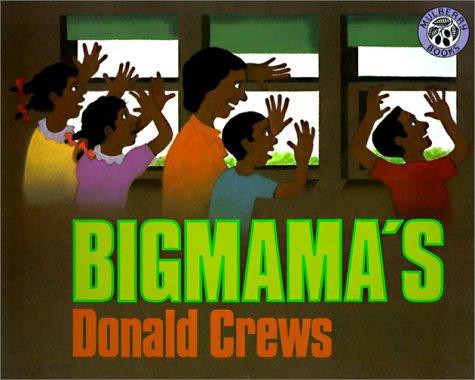
This warm picture book follows a child’s summertime visit to Big Mama’s house in the rural South, where days are filled with porch swings, garden chores, fishing, and big family meals. Told in a cozy, lyrical voice, it celebrates the sights, sounds, and rhythms of country life. Young readers enjoy the gentle humor, sensory details, and the loving bond between a grandchild and grandmother. It’s a comforting read-aloud for families and classrooms alike.
Setting: a rural Southern farmhouse and yard during summertime
Readers also enjoyed
Frequently Asked Questions
Is Big Mama right for my child?
Yes — Big Mama is a great fit for 3rd grade. The reading level is AR 3.1, which is typical for 3rd grade. The interest level is rated Lower Grades (K–3), meaning the themes and content are designed for ages 5–9 (K–3rd grade). Themes include family bonds, traditions, rural life.
How long does it take to read Big Mama?
At a typical 3rd grade reading pace, Big Mama takes around 6m to finish. The book has 800 words. Slower or faster readers may vary significantly.
Does Big Mama have an AR quiz?
Yes — Big Mama has an AR quiz available, worth 0.5 points. Your child will need to take and pass the quiz through their school's Accelerated Reader program to earn credit. The quiz is typically 5–20 multiple choice questions about plot, characters, and setting.
What grade level is Big Mama?
Big Mama has an AR reading level of 3.1, which places it at a 3rd grade reading difficulty. The interest level is rated Lower Grades (K–3) — this reflects the age-appropriateness of the content and themes, not just the reading difficulty. A strong younger reader may handle the words fine while the themes are aimed at an older audience, or vice versa.